Thinking about buying a historic home in 40502? The character is hard to beat, but the process is not the same as buying newer construction. You will balance charm with inspections, approvals, and smart financing to protect your budget. In this guide, you will learn how local historic rules work, what inspections matter most, realistic cost and timeline ranges, and which renovation loans can help. Let’s dive in.
40502 at a glance
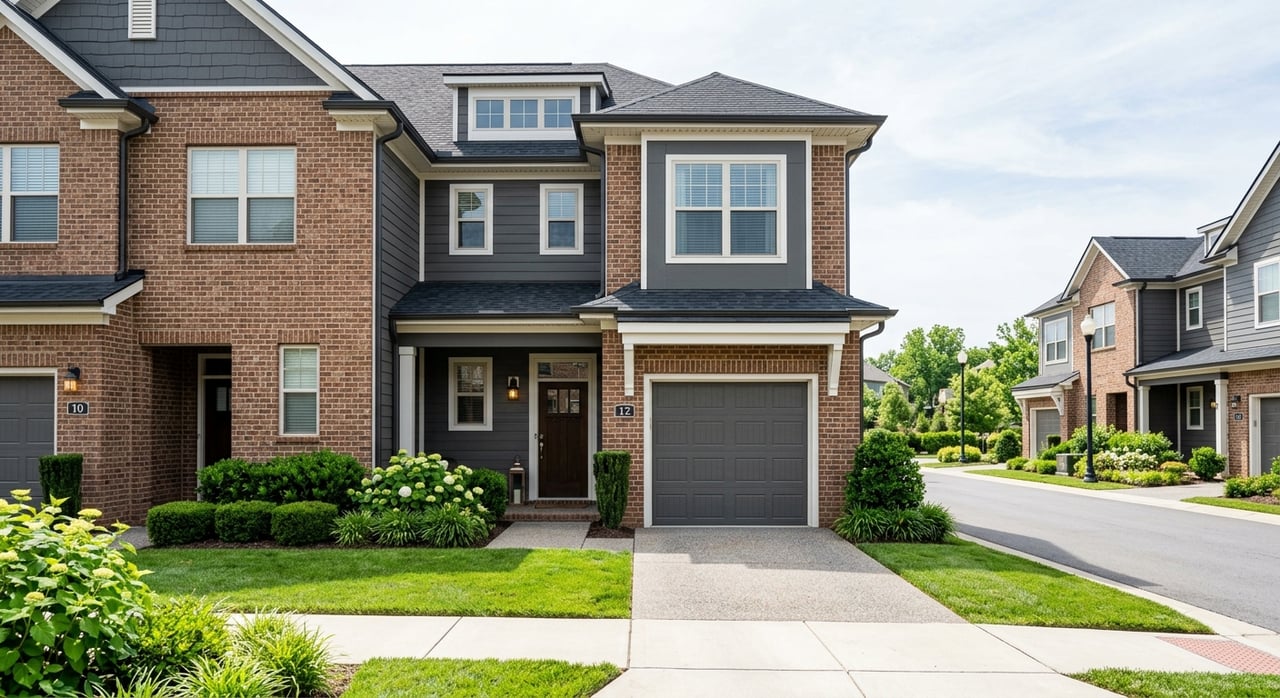
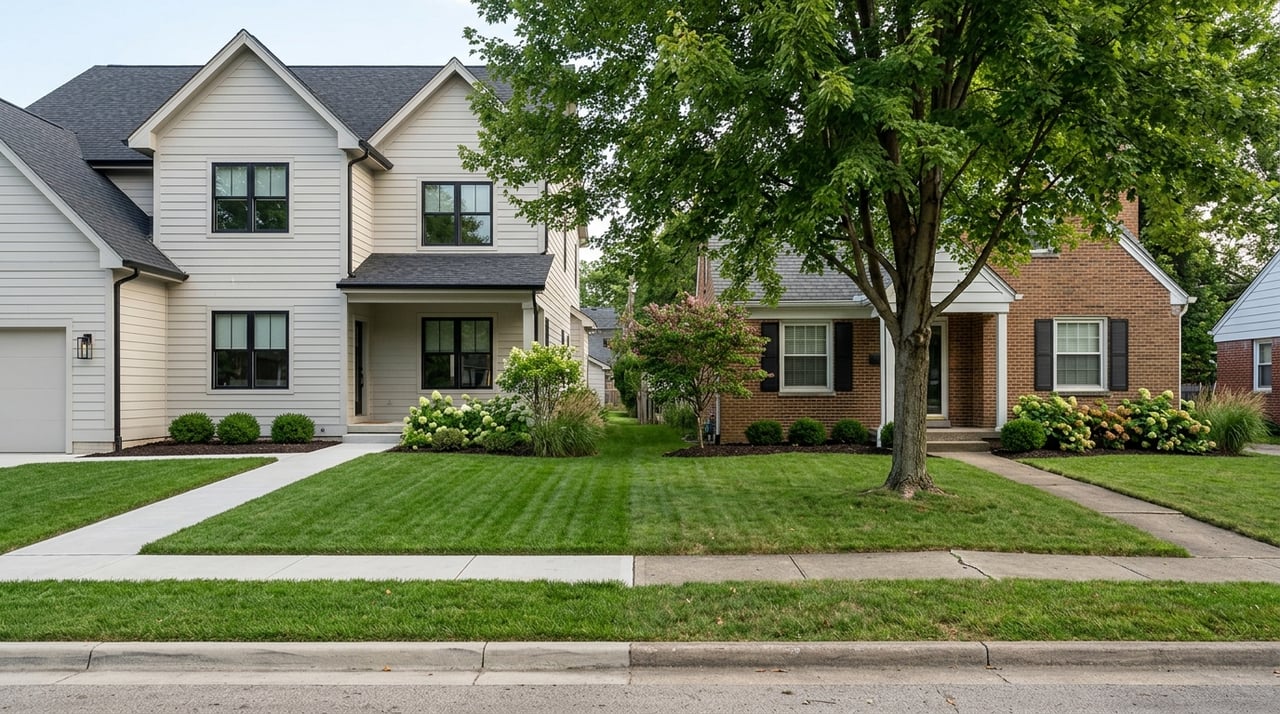
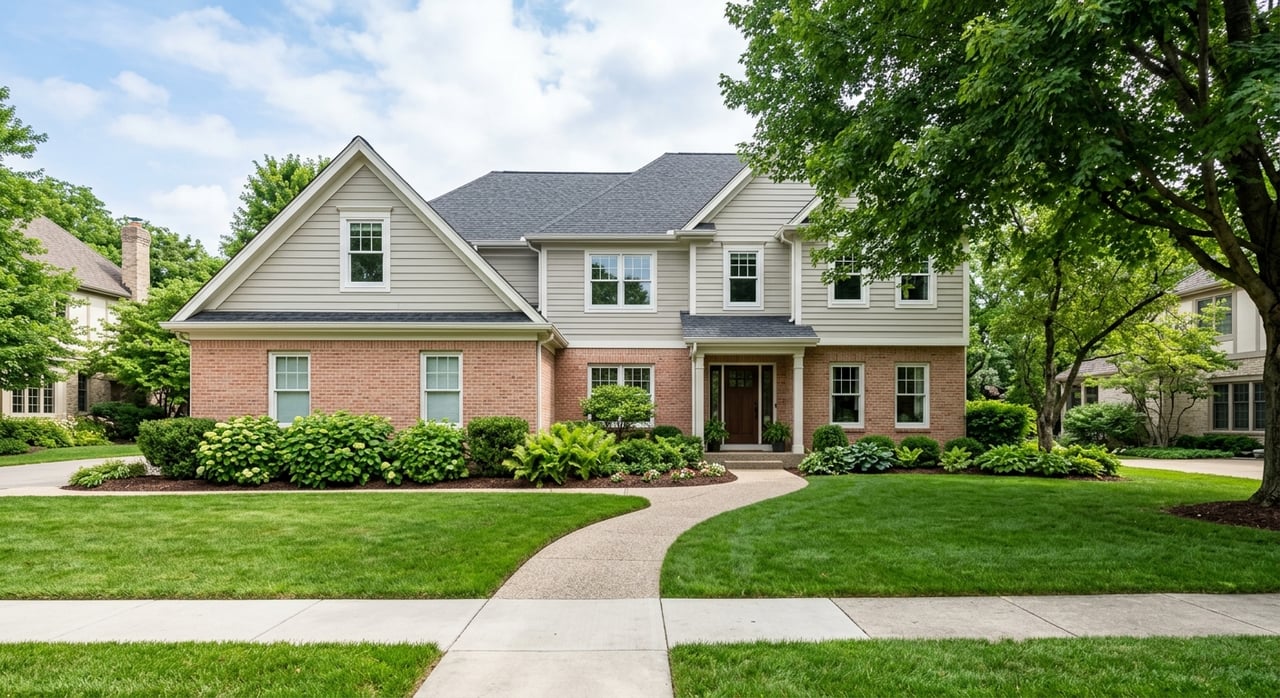
In 40502, you will find early 20th‑century homes and mid‑century ranches across neighborhoods like Ashland Park, Aylesford/Woodland Park, Chevy Chase, Fairway, Montclair/Shadeland and parts of the Shriners/Lakeview areas. Homes in Ashland Park show planned landscape design and period architecture that many buyers love. You can explore the area’s design story in the city’s overview of Ashland Park’s historic context.
This ZIP is one of Lexington’s higher‑value markets. Buyers are often competing for well‑maintained homes with original details and updated systems. A strong plan for due diligence and financing helps you move fast with confidence.
Historic rules and approvals
H‑1 overlay and COA
Lexington uses a local historic overlay called H‑1. If a home sits inside an H‑1 district, exterior changes typically require a Certificate of Appropriateness (COA). Minor work may be approved by staff, while substantial changes go to the Board of Architectural Review. Start here to understand the COA process and contacts.
Before you write an offer, confirm whether the property is in an H‑1 district. Use the city’s H‑1 overlay and landmark maps and ask your agent to verify with staff. If your plans include exterior work, build COA review time into your project schedule.
National Register vs. local rules
Some 40502 homes are individually listed or contributing in National Register districts. That listing is an honor and may unlock certain tax incentives. It does not, by itself, create local design controls. Only local designation through the H‑1 overlay triggers COA review for exterior changes. Always check both statuses, and plan your scope accordingly.
Tax credits and incentives
The federal historic rehabilitation tax credit primarily supports income‑producing properties. For owner‑occupied homes, you may find help through Kentucky’s state program, which offers a state credit stream for qualifying residential projects. Program caps, eligible costs, and application timing affect feasibility, so review the Kentucky Heritage Council’s tax credit overview early in your planning.
If you plan to pursue incentives, expect to follow preservation standards and file paperwork before work starts. Pre‑approval and documentation are critical to keep your project eligible.
Inspections to prioritize
Core inspections
- General home inspection: Your baseline for roof, structure, plumbing, electrical, HVAC, and moisture. Expect a written report with photos.
- Wood‑destroying organism (WDO/termite) inspection: Common in older framing and mature‑tree neighborhoods.
- Sewer‑line camera (sewer scope): Older laterals can have roots, clay, or iron issues. A scope helps avoid surprise replacement costs.
Age‑specific checks
- Lead‑based paint (pre‑1978 homes): Federal law requires disclosure. If you plan to disturb painted surfaces, follow EPA RRP rules and hire certified pros. See the EPA’s lead disclosure guide.
- Electrical evaluation: Look for knob‑and‑tube, cloth wiring, or problematic panels and confirm service capacity. Many insurers and lenders want hazards corrected. Learn what to watch for in this overview of older wiring issues.
- Plumbing materials survey: Older galvanized supply and cast‑iron drains may need replacement.
- Chimney/HVAC review: Fireplaces, boilers, and older furnaces have unique safety and maintenance needs.
- Asbestos screening where demolition is planned: Some pre‑1980 materials, including vermiculite attic insulation, can contain asbestos. Testing and licensed abatement may be required.
- Radon testing: Kentucky has elevated radon potential. Plan a short‑term test during your contingency and mitigate at or above 4.0 pCi/L. Get guidance on EPA radon maps and mitigation.
Renovation costs and timelines
Cost ranges in context
Project costs vary with scope and craftsmanship. Cosmetic updates can be relatively modest, while system‑level work and structural repairs push budgets higher. National guides suggest that full rehabilitations often run into the high five figures to $100–200+ per square foot depending on finishes and complexity. For broad context, see NerdWallet’s renovation cost guide.
Historically sensitive work costs more. Custom millwork, period‑appropriate windows, and masonry restoration require specialty skills. Build a 10 to 25 percent contingency into your budget and review state program standards if you plan to pursue tax credits. The Kentucky Heritage Council overview outlines requirements that can affect scope.
Permits and code triggers
Structural, electrical, plumbing, mechanical, and roofing often require permits through LFUCG. If the property is in an H‑1 district, obtain COA approval for exterior changes before or alongside building permits. Staff review or BOAR schedules can add time, so plan early. Start with the city’s COA process page to align your timeline.
Typical timelines
- Small cosmetic projects: 2 to 8 weeks.
- Moderate rehab (systems plus kitchen or bath): 2 to 6 months.
- Full historic‑sensitive restoration or structural work: 6 to 18+ months, especially if COA review and specialty trades are involved.
Renovation financing options
FHA 203(k)
FHA’s 203(k) program rolls your purchase and renovation costs into one loan. The Limited 203(k) covers non‑structural work up to a set cap, while the Standard 203(k) supports larger projects and requires a 203(k) consultant, detailed scopes, and draw inspections. Review the FHA 203(k) overview to see which track fits your plan.
Fannie Mae HomeStyle
HomeStyle is a conventional renovation mortgage that uses an as‑completed appraisal and supports a wide range of projects, including structural work and, with lender approval, accessory units. It can be a fit if you prefer conventional underwriting. Explore Fannie Mae’s HomeStyle Renovation for details.
How lenders disburse funds
Renovation loans rely on contractor bids, escrowed draws, and inspections tied to milestones. Appraisers use as‑completed value, so alignment between your plans, permits, and budget is essential. Coordinate your lender, contractor, and preservation approvals early to keep closing and draw schedules on track. FHA’s 203(k) guide is a helpful primer on process and timelines.
Pros and cons in 40502
Why buyers choose historic
- Character and craftsmanship you rarely find in newer builds.
- Mature trees, established streets, and proximity to walkable corridors along Euclid, High, and Central.
- Resale potential when restorations are well planned and documented.
Learn more about neighborhood character in the city’s Ashland Park overview.
Tradeoffs to plan for
- Discovery risk: older wiring, plumbing, moisture, or hidden materials can change scope and budget.
- Design review: H‑1 districts require COA approval for exterior work, which adds time and can shape material choices.
- Insurance and mortgage friction: very old wiring or active knob‑and‑tube can complicate coverage or loan approval. Here is why insurers often flag it, plus typical solutions, in this insurance guide to knob‑and‑tube.
Buyer checklist
- Verify H‑1 status: Check the H‑1 overlay maps and talk with LFUCG preservation staff before you plan exterior changes. Review the COA process.
- Plan inspections: Book a general inspection, WDO/termite, sewer scope, and radon test. Add lead testing for pre‑1978 homes and specialist evaluations for electrical, plumbing, chimney, and HVAC as needed. See EPA guidance on lead disclosures and safe work and EPA radon maps.
- Model renovation costs: Use a broad range for planning, then refine with local bids. For context on typical ranges by project type, see NerdWallet’s guide. Add a 10 to 25 percent contingency, especially for historic‑quality work.
- Check incentives: If your home may qualify, review the Kentucky Heritage Council’s tax credits and note application timing.
- Line up financing: If you want purchase plus renovation in one loan, compare FHA 203(k) and Fannie Mae HomeStyle. Get bids and scopes that match your lender’s requirements.
- Negotiate smartly: Focus on safety and systems. Use inspection results to request repairs or credits while preserving the features you value most.
Next steps
If you want a historic or mid‑century home in 40502, start with clarity. Confirm H‑1 status, budget for the right inspections, and choose a financing path that supports your renovation goals. With good planning, you can protect your timeline, preserve the character you love, and invest with confidence.
If you are ready to tour homes in Ashland Park, Chevy Chase, or anywhere in 40502, or you want a step‑by‑step plan for COA approvals and renovation loans, reach out to Jon Bentley. Let’s connect and put a strong plan in place.
FAQs
What makes 40502 different for historic buyers?
- 40502 includes several neighborhoods with early 20th‑century architecture and mid‑century homes. Some areas fall within the H‑1 historic overlay, which requires COA approval for exterior changes.
How do I check if a 40502 home needs COA approval?
- Use the city’s H‑1 overlay maps and confirm with LFUCG preservation staff. If inside H‑1, plan for COA review before exterior work.
Does National Register listing restrict my exterior changes?
- National Register listing is honorary and may connect to incentives. Local H‑1 designation is what triggers COA review and design standards for exterior work.
Which inspections are most important for older 40502 homes?
- Start with a general inspection, WDO/termite, sewer scope, and radon test. Add lead testing for pre‑1978 homes and specialist reviews for electrical, plumbing, chimney, and HVAC.
Can I finance renovations with my purchase in Lexington?
- Yes. FHA 203(k) and Fannie Mae HomeStyle Renovation can bundle purchase and renovation into one loan, using an as‑completed appraisal and draw schedule.
How long do historic renovations take in 40502?
- Small cosmetic projects can take a few weeks. System upgrades and kitchen or bath work can take 2 to 6 months. Full historic restorations can run 6 to 18+ months, especially with COA review and specialty trades.